
For many individuals, visiting the dentist can be a source of anxiety and stress. Whether it’s a routine cleaning or a more complex procedure, dental appointments often provoke nervousness in patients. Fortunately, dental sedation offers a solution to alleviate these concerns, making dental care more accessible and comfortable. In this article, we will explore what dental sedation involves, its types, benefits, and considerations to keep in mind.
Understanding Dental Sedation
Dental sedation refers to the use of medication to help patients relax during dental procedures. It is sometimes called “sleep dentistry,” although this is not entirely accurate since patients are usually awake unless under general anesthesia. The primary goal of dental sedation is to reduce anxiety and create a calm environment for both the patient and the dental practitioner.
Types of Dental Sedation
There are several types of dental sedation, each varying in strength and method of administration:
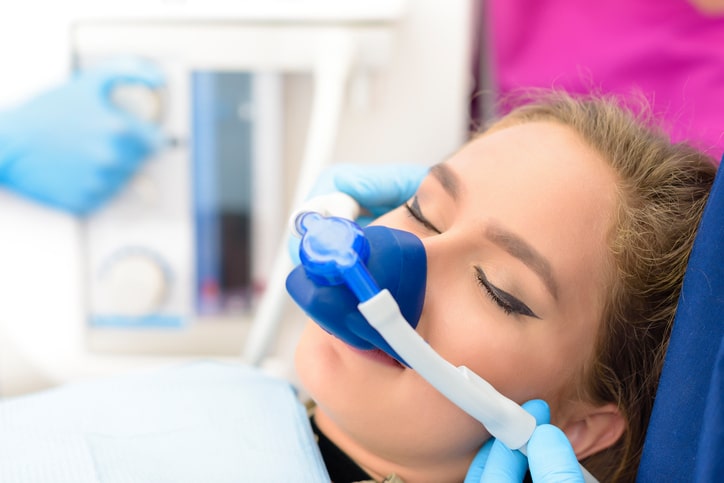
- Inhaled Minimal Sedation: Also known as laughing gas, nitrous oxide is combined with oxygen and inhaled through a mask. This option allows patients to relax while remaining conscious and is safe for both children and adults.
- Oral Sedation: This involves taking a pill, usually from the benzodiazepine family, about an hour before the procedure. It induces drowsiness, though the patient remains awake. The dosage can be adjusted to achieve minimal to moderate sedation levels.
- IV Moderate Sedation: Administered through a vein, this method works quickly and allows the dentist to adjust the level of sedation as needed. Patients may remain awake but will be less aware of the procedure.
- Deep Sedation and General Anesthesia: These options render patients either nearly unconscious or completely unconscious. They are typically reserved for extensive procedures or patients with extreme anxiety and are administered by an anesthesiologist or a dental specialist.
Benefits of Dental Sedation
Dental sedation offers numerous advantages, making it a preferred choice for many patients:
- Reduced Anxiety: Sedation helps patients feel more at ease, reducing fear and anxiety associated with dental visits.
- Pain Management: While local anesthetics target pain, sedation complements this by relaxing the patient, allowing for a more pleasant experience.
- Time Efficiency: With sedation, patients are more likely to remain still, enabling dentists to perform procedures more efficiently and sometimes complete multiple procedures in one visit.
- Improved Cooperation: Sedation is particularly beneficial for children or individuals with special needs who may struggle with sitting still during dental treatments.
Considerations and Risks
While dental sedation is generally safe, it is not without risks. It is crucial to discuss your medical history with your dentist to evaluate the suitability of sedation dentistry for you. Some considerations include:
- Allergies and Pre-existing Conditions: Inform your dentist of any allergies or medical conditions that may affect sedation use.
- Medication Interactions: Provide a list of current medications to avoid potential interactions with sedatives.
- Post-Sedation Care: Arrange for transportation and assistance after the procedure, as the effects of sedation can linger, impacting coordination and alertness.
Conclusion
Dental sedation is a valuable tool in modern dentistry, offering a way to manage anxiety and enhance the overall dental experience. By understanding the types, benefits, and considerations involved, patients can make informed decisions in collaboration with their dental care providers. For those considering complex procedures, such as Dental implants Katy, sedation can be an effective option to ensure comfort and ease during the process.
Embrace the opportunity to receive dental care without the associated stress and anxiety, and explore the possibilities that dental sedation offers. Always consult with your dental professional to tailor the approach to your individual needs and ensure a safe and successful dental experience.