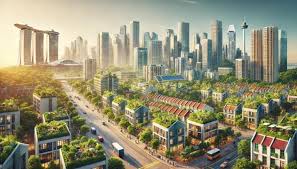

Singapore’s property market in 2026 shows clear signs of change. Buyers now seek homes that support green living and connect well to daily needs. This shift matters because it helps reduce environmental impact while improving quality of life. People want places that save energy, offer fresh air, and link easily to work or schools. As the city grows, these features draw more interest from families and investors alike.
Current Trends in Singapore’s Property Market
The year 2026 brings a balanced approach to real estate. Supply of new homes rises, especially in suburban areas. Developers launch more units to meet demand from local buyers and those moving for work.
Interest rates stay steady, which affects budgets. Many people adjust their plans to fit fixed costs. This leads to a focus on value, where homes must provide long-term savings through efficient designs.
Digital tools play a big role. Smart systems in buildings allow control of lights, security, and temperature from phones. This appeals to tech-savvy residents who value convenience.
Demographic changes influence choices too. Older adults look for smaller units near medical care, while young families prefer spaces with parks and schools. The market responds with mixed-use sites that include shops and green areas.
Government policies support this. Rules on land use push for more green spaces in new towns. This creates opportunities in areas like the west and east coasts, where projects blend nature with urban life.
Data centers and industrial spaces top investment lists, but residential options like rented homes rank high too. Multifamily buildings gain popularity for their shared amenities and lower upkeep.
Luxury segments emphasize privacy and views. High-end buyers seek quiet spots with sea or forest outlooks. This divides the market into tiers, with premium sites commanding higher values.
Commercial properties rebound, but residential stays strong. Investors see potential in homes that rent well due to location and features.
Overall, the market in 2026 favors projects that align with daily needs and future growth. Buyers prioritize places that offer more than just shelter.
Benefits of Sustainable Living in New Developments
Sustainable homes bring clear advantages. They lower utility bills through better insulation and solar panels. Residents save money on electricity and water over time.
Health improves in green environments. More trees and open spaces mean cleaner air and chances for outdoor activity. This reduces stress and boosts well-being for all ages.
Property values rise in eco-focused areas. As demand grows, these homes hold or increase worth. Investors find them reliable for steady returns.
Community bonds strengthen. Shared gardens or paths encourage neighbors to interact. This builds a sense of belonging in large developments.
Transport links enhance daily routines. Proximity to MRT stations cuts commute times and car use. This supports a lower carbon footprint.
Modern amenities add comfort. Fitness centers, pools, and play areas cater to families. Retail spaces on-site provide quick access to essentials.
Education options nearby attract parents. Good schools within walking distance make life simpler.
Work-life balance gets better. Developments near business hubs allow shorter trips to offices. This frees up time for personal pursuits.
In summary, these benefits make sustainable living a smart choice. They address practical needs while promoting a healthier planet.
- Lower costs from energy-efficient systems.
- Better health through natural surroundings.
- Higher resale potential.
- Stronger community ties.
- Convenient transport and amenities.
Challenges in Adopting Green Practices
Despite gains, hurdles exist. High upfront costs for green tech can deter buyers. Developers pass on expenses for materials like recycled steel or advanced ventilation.
Supply chain issues slow progress. Sourcing eco-friendly items takes time, especially with global demand.
Maintenance requires knowledge. Residents must learn to use smart systems properly. Without training, benefits diminish.
Regulatory compliance adds layers. Meeting strict building codes demands extra planning and funds.
Weather impacts designs. Singapore’s heat and rain challenge outdoor features. Solutions like shaded paths help, but they raise complexity.
Balancing density with greenery poses problems. High-rise buildings limit space for plants. Creative layouts, such as vertical gardens, address this.
Affordability remains key. Not all can pay premiums for sustainable units. Subsidies or incentives from authorities ease this.
Market education lags. Some buyers overlook long-term savings. Clear information helps shift views.
Integration with existing infrastructure tests planners. New projects must connect seamlessly to old networks.
Addressing these challenges calls for teamwork among developers, governments, and buyers. Progress happens through shared efforts.
- Cost barriers for initial setup.
- Supply delays for materials.
- Need for user education.
- Strict rules to follow.
- Weather-related design adjustments.
Spotlight on Key Projects
New developments showcase these trends. Tengah Garden Residences stands out in the west. Located in Tengah, known as the Forest Town, it spans a large site with about 860 units. Options range from one to four bedrooms, fitting various family sizes.
Developers include Hong Leong Group, GuocoLand, and CSC Land Group. They focus on blending nature with modern living. Features include energy-efficient fittings, walking paths, and community spaces. Proximity to Hong Kah MRT on the Jurong Region Line ensures easy travel to Jurong East and beyond.
The project aligns with sustainability goals. Green corridors and water features promote eco-living. Nearby parks and a planned lake add appeal. For investors, the area’s growth potential, tied to districts like Jurong Lake, promises value uplift.
On the east side, Vela Bay offers a waterfront option. Situated on Bayshore Road, it provides around 515 units in a prime spot. The developer, SingHaiyi Group, emphasizes luxury and convenience.
Sea views and access to East Coast Park draw outdoor lovers. The upcoming Bayshore MRT on the Thomson-East Coast Line links to the CBD and airport. Expressways like ECP and PIE aid car travel.
Amenities abound. Shopping at Parkway Parade or Bedok Mall is close. Schools such as Temasek Junior College and Victoria School serve families. Healthcare from Parkway East Hospital adds security.
Both projects highlight connectivity and lifestyle. They cater to buyers seeking balance between nature and city access. Pricing starts attractively, with tools for calculating loans and yields available.
These examples show how developers respond to market needs. They set standards for future builds.
Future Outlook for Singapore’s Residential Sector
Looking ahead, the market will see more supply. Suburban launches continue, easing pressure on central areas.
Interest rates may influence borrowing, but stable policies help. Buyers adapt by choosing efficient homes.
Technology advances further. AI in buildings optimizes energy use. This reduces waste and enhances security.
Demographics drive demand for flexible spaces. Units that adapt to changing needs, like home offices, gain favor.
Government initiatives expand. More land for green towns supports growth in underserved spots.
Investment shifts to resilient assets. Properties with strong rental appeal withstand economic changes.
Luxury trends persist, with focus on unique views and privacy. This creates niches for different buyer groups.
Commercial ties strengthen. Mixed developments blend homes with offices, fostering vibrant communities.
Challenges like costs will ease with innovation. New materials and methods lower barriers.
The sector heads toward a greener, smarter future. Buyers who act now position themselves well.
- Increased suburban supply.
- Tech integration in homes.
- Flexible unit designs.
- Government support for green areas.
- Focus on resilient investments.
Final Thoughts
Singapore’s property market in 2026 centers on sustainable residential developments. Trends show a push for green features, better connectivity, and value-driven choices. Benefits include cost savings, health gains, and community strength. Challenges like costs and maintenance require attention, but solutions emerge.
Projects like Tengah Garden Residences and Vela Bay exemplify this direction. They offer practical living with future growth in mind.