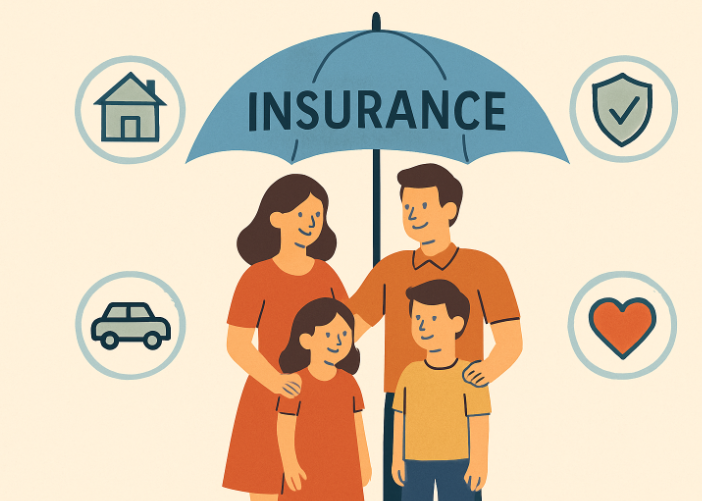

Key Takeaways
- Reliable insurance provides a financial safety net in the event of unforeseen circumstances.
- Various types of insurance cater to different needs, including health, life, and property.
- Regularly reviewing and updating insurance policies ensures that you have adequate coverage.
- Combining insurance with an emergency fund enhances financial resilience.
Unpredictability is a constant in life—whether it’s a sudden accident, health emergency, or devastating storm, these events can strain a family’s finances. To protect against such circumstances, securing coverage from a trusted insurance agency becomes essential. Insurance isn’t just a legal or financial requirement for many; it acts as a carefully built safety net, supporting families when things go wrong.
Without appropriate insurance, the costs associated with emergencies can be staggering. Bills from medical emergencies, car accidents, or a home fire often exceed what most households have in their savings, making insurance a fundamental part of a sound financial plan. By having access to the right policies and regularly updating your coverage, you can ensure that your loved ones are protected no matter what life brings.
In addition to basic insurance coverage, households benefit from understanding the full range of policy options available, including specialized coverage for unique needs and region-specific risks. Consulting with licensed insurance professionals can help you choose policies that match your household’s evolving circumstances and goals.
The Role of Insurance in Financial Preparedness
Insurance is an integral part of any robust financial plan. It goes beyond protecting physical assets, playing a critical role in maintaining the financial well-being of households following unforeseen events. For instance, health insurance alleviates the heavy burden of unexpected hospital bills, homeowners’ insurance provides the means to repair or rebuild after a disaster, and life insurance ensures that loved ones remain financially secure in the event of a primary earner’s passing. With insurance, those setbacks that might otherwise ruin a family’s finances become manageable events.
According to a report from the Consumer Financial Protection Bureau, financially resilient households tend to have the right mix of insurance and savings, which acts as a buffer against typical financial shocks such as job losses, medical emergencies, or loss of income. By proactively seeking comprehensive coverage—including life insurance—families can face emergencies with greater confidence and long-term stability.
Types of Insurance Essential for Households
Health Insurance
Medical emergencies are a leading cause of financial distress in the United States. Health insurance provides coverage for doctor’s visits, prescriptions, surgeries, and major emergency care. Good health coverage minimizes out-of-pocket expenses and ensures timely medical treatment, reducing financial worry during health crises.
Life Insurance
Life insurance ensures that your loved ones are cared for in the event of your passing. Policies come in various forms, from term life (fixed coverage for a set period) to whole life (coverage for your lifetime with a cash value component). This type of coverage provides peace of mind, knowing that children, spouses, and other dependents will have the means to cover living expenses, debts, and even future educational costs in the event of the breadwinner’s death.
Homeowners and Renters Insurance
For homeowners, insurance is crucial in protecting against losses from fire, weather events, vandalism, and theft. Renters insurance covers personal belongings and may also offer liability protection if someone is injured in your rental home. In areas prone to natural disasters, additional coverage (such as flood or earthquake insurance) may be recommended since standard policies often exclude these risks.
Auto Insurance
Auto insurance covers losses related to car accidents, theft, or vandalism and helps reduce the financial burden of repairs or liability claims. States may mandate minimum coverage, but additional protection, such as collision, comprehensive, or uninsured motorist coverage, can be valuable for complete financial security.
Assessing and Updating Your Insurance Coverage
Your insurance needs change as you move through different life stages. Major events, such as marriage, the birth of a child, home ownership, or a job change, can dramatically alter the required coverage amounts and types. It’s important to review your policies annually and adjust the coverage appropriately. Working with licensed insurance agents ensures all aspects of your life are considered and adequately protected.
Building an Emergency Fund Alongside Insurance
Even the best insurance policies come with deductibles, waiting periods, and certain exclusions. An emergency fund—a liquid stash of savings set aside for unexpected expenses—provides an extra cushion for those immediate out-of-pocket costs or events not covered by insurance. Financial experts typically recommend saving three to six months’ worth of living expenses for true resilience.
Understanding Policy Details and Exclusions
Before signing up for any insurance policy, carefully review the terms, coverage limits, exclusions, and claim process. Not all policies are created equal: some may exclude common risks in your area, or restrict the circumstances under which you can file a claim. Read the fine print and ask your agent about additional coverage for risks like floods, earthquakes, or high-value items.
The Impact of Insurance on Financial Resilience
Studies consistently show that families with adequate insurance coverage recover faster from financial setbacks. According to the Financial Resilience Institute, those with sufficient insurance report better outcomes and higher confidence in their ability to manage unforeseen expenses. Insurance isn’t just about money—it’s about building peace of mind and emotional security for the whole family.
Final Thoughts
Reliable insurance is central to proactive financial planning. By understanding the different types of insurance, keeping coverage up to date, and supplementing protection with an emergency fund, households can build a resilient safety net. With expert advice and the right policies in place, your family is prepared to weather even the most challenging events—secure in the knowledge that you have planned for the unexpected.