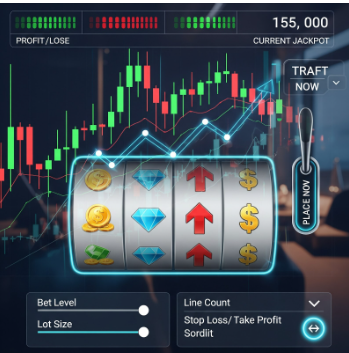

In the world of finance, we often talk about “risk appetite.” Whether you are scalping EUR/USD on a 5-minute chart or holding crypto positions, the fundamental psychological principles remain the same: discipline, emotional control, and capital preservation.
Interestingly, these same principles are the bedrock of another booming digital industry in Southeast Asia: professional online gaming. While the assets differ, the mindset required to succeed on a trading terminal and a digital gaming interface is remarkably similar.
The Importance of Infrastructure
For a Forex trader, the trading platform (like MT4 or MT5) is their lifeline. A one-second lag during a news event like Non-Farm Payrolls can turn a profit into a loss. You need execution speed, stability, and reliability.
The exact same demand for technical excellence drives the iGaming sector. Players who engage with high-frequency games require zero latency. This is why market leaders in the Asian region have moved away from browser-based play to dedicated applications. The Mega888 platform, for instance, is engineered specifically to handle thousands of concurrent transactions without slippage or disconnects. Just as a trader chooses a broker for their server stability, digital gamers choose their platform based on technical reliability.
Bankroll Management: The Golden Rule
Ask any veteran trader why they survived while others blew up their accounts, and they will tell you: Position Sizing. You never risk more than 1-2% of your equity on a single trade.
This concept of “Bankroll Management” is identical in the gaming world. Professional players do not simply gamble; they manage a budget. They understand variance (volatility) and adjust their stakes accordingly. The convergence of these two worlds is becoming more apparent, with many younger traders in Malaysia and Singapore using skills honed in gaming environments to navigate financial markets.
Security of Funds
In Forex, we look for regulation and segregated accounts. In the digital entertainment sphere, users look for secure payment gateways and encryption.
The rapid growth of the digital economy has forced both sectors to adopt similar security protocols. 2FA (Two-Factor Authentication) and SSL encryption are now industry standards. Whether you are depositing margin for a trade or credits for a game, the expectation is the same: instant, secure, and transparent movement of funds.
Conclusion
Ultimately, whether you are analyzing a candlestick chart or a game algorithm, success comes down to the user’s ability to manage their emotions and their tools. By understanding the parallels between these high-speed digital environments, we can better appreciate the complexities of the modern digital economy. It is not just about luck; it is about having the right strategy and the right platform.