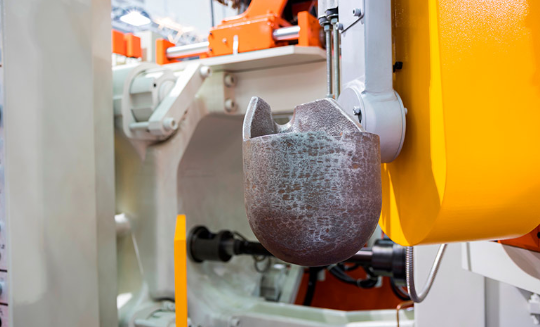

High-pressure die casting is one of the most widely used manufacturing methods for producing complex and precise metal components. It combines speed and accuracy, making it ideal for industries like automotive, aerospace, and consumer electronics. However, the molds used in this process endure immense stress due to the repeated injection of molten metal under high pressure. This repetitive action can cause thermal fatigue, mechanical stress, and wear over time, significantly affecting the mold’s lifespan.
The durability of these molds is directly tied to the efficiency and profitability of die casting operations. A mold with a short lifespan can lead to frequent replacements, increased downtime, and higher production costs. Manufacturers must adopt effective strategies to ensure their molds last as long as possible without compromising product quality. This article explores key techniques to maximize mold durability, from maintenance practices to design upgrades and advanced coatings.
What is the Importance of Mold Durability in Die Casting?
Mold durability is critical to the success of high-pressure die casting operations. It affects nearly every aspect of production, from cost efficiency to product quality.
Cost Savings
One of the primary benefits of durable molds is cost savings. High-pressure die casting molds are expensive to manufacture, often representing a significant portion of the overall production budget. When molds wear out prematurely, the costs of replacement, refurbishment, and associated downtime accumulate rapidly. Extending mold life reduces these expenses, enabling manufacturers to allocate resources to other critical areas.
Minimized Downtime
Every time a mold requires repair or replacement, production must halt. This downtime can disrupt supply chains, delay product deliveries, and result in lost revenue. Durable molds minimize the frequency of such interruptions, ensuring a smoother production flow and better adherence to schedules.
Consistent Product Quality
Worn molds can produce castings with defects such as rough surfaces, dimensional inaccuracies, or inconsistent shapes. Maintaining mold durability ensures that each product meets the required specifications, reducing waste and enhancing customer satisfaction. This consistency is especially vital in industries like automotive and aerospace, where precision is non-negotiable.
Enhanced Productivity
Durable molds allow die casting manufacturers to produce more units without interruptions, boosting overall productivity. This increased output translates to higher profitability, as manufacturers can meet or exceed production targets without compromising quality.
Sustainability
Prolonging mold life also contributes to sustainability. By reducing the frequency of mold replacements, manufacturers can lower material waste and energy consumption. This aligns with modern environmental goals and helps companies build a more sustainable production model.
Factors That Cause Mold Wear and Tear
Molds in high-pressure die casting are subject to numerous stresses that can shorten their lifespan. Understanding these factors is crucial for implementing effective mitigation strategies.
Thermal Fatigue
Thermal fatigue is one of the most common causes of mold failure in die casting. The repeated heating and cooling cycles during casting create thermal stresses that weaken the mold material over time. As molten metal fills the mold at high temperatures, it rapidly heats the surface, while cooling systems or air exposure cause rapid cooling after the casting is removed. This cycle leads to the formation of microcracks, which eventually grow and cause structural failure.
Erosive Wear
The high-speed flow of molten metal into the mold cavity causes erosive wear. This is especially problematic in areas with sharp edges or narrow channels where the metal flow is more turbulent. Over time, the surface of the mold can degrade, leading to dimensional inaccuracies and poor surface finishes in the cast products.
Mechanical Stress
The intense pressure exerted on the mold during the injection process generates mechanical stress. Over time, this stress can cause deformation, especially in areas with insufficient structural support. Repeated exposure to such forces can weaken the mold, leading to premature failure.
Chemical Reactions
Molten metal can react chemically with the mold material, causing corrosion and adhesion problems. For example, aluminum alloys can form oxide layers that adhere to the mold surface, making it difficult to remove the cast part without causing damage. This chemical interaction accelerates wear and reduces mold performance.
Improper Cooling Management
Inadequate or poorly designed cooling systems can lead to uneven temperature distribution across the mold. This exacerbates thermal fatigue and increases the risk of localized wear. Proper cooling management is essential to prevent these issues and maintain mold integrity.
Insufficient Maintenance
Neglecting regular maintenance can significantly shorten mold life. Residue buildup, insufficient lubrication, and delayed repairs allow minor issues to escalate into major problems. A proactive maintenance approach is essential for mitigating wear and tear.
Maintenance Tips for Prolonging Mold Life
Routine maintenance is a cornerstone of mold longevity. By addressing wear and tear before it becomes severe, manufacturers can prevent costly repairs and downtime.
Regular Cleaning
Cleaning molds after every production cycle is essential to prevent residue buildup. Metal residues, lubricants, and other debris can accumulate on the mold surface, causing defects in subsequent castings. Proper cleaning involves removing these residues without damaging the mold surface, often using specialized cleaning agents or tools.
Timely Lubrication
Lubrication reduces friction between the mold components, minimizing wear. It also prevents overheating by acting as a thermal barrier. Selecting the right lubricant for specific casting materials and operating conditions is crucial to achieving optimal results.
Preventative Inspections
Conducting regular inspections helps identify early signs of wear, such as cracks, surface degradation, or misalignments. By addressing these issues promptly, manufacturers can prevent more severe damage. Inspection tools like thermal imaging and 3D scanning can enhance accuracy and efficiency.
Repair Small Defects Early
Minor cracks or deformations can escalate into major problems if left unaddressed. Quick repairs, such as welding or polishing, can restore the mold’s functionality and extend its lifespan. Ignoring these issues increases the risk of catastrophic failures that require costly replacements.
Optimized Cooling System Maintenance
Cooling systems play a critical role in managing thermal stresses. Over time, these systems can become clogged or inefficient, leading to uneven temperature distribution. Regular maintenance of cooling channels ensures consistent performance and reduces the risk of thermal fatigue.
Protective Coatings
Applying protective coatings to the mold surface can significantly reduce wear. These coatings provide a barrier against thermal, mechanical, and chemical stresses, enhancing mold durability. Periodic reapplication ensures continued protection.
How to Upgrade Mold Designs for Better Durability
Effective mold design is a fundamental factor in enhancing durability. By optimizing the design, manufacturers can minimize wear and maximize performance.
Integrated Cooling Systems
Traditional molds often suffer from uneven temperature distribution, leading to localized thermal fatigue. Upgrading to an integrated cooling system helps maintain uniform temperatures throughout the mold. This can be achieved by embedding cooling channels strategically near areas exposed to the highest heat, such as the gates or runners where molten metal first enters.
Advanced cooling technologies, such as conformal cooling channels designed using 3D printing, follow the mold’s contours more closely than conventional straight-line channels. This ensures efficient heat dissipation, minimizes thermal cycling, and reduces the likelihood of thermal cracks. Proper coolant flow rates and the use of temperature sensors can further optimize system performance, extending the mold’s durability and improving casting quality.
Reinforced High-Stress Areas
Certain parts of the mold, such as thin walls, corners, or edges near gating systems, endure higher mechanical stresses due to repeated injections of molten metal. These stress concentrations are common failure points in molds. Reinforcing these areas is a critical design upgrade that enhances the mold’s ability to withstand long-term stress.
Reinforcements can include using thicker materials in high-stress zones, adding support ribs, or incorporating inserts made from tougher alloys. Reinforcing these areas not only reduces the risk of cracks and deformations but also distributes stress more evenly across the mold. Advanced simulation software can identify these vulnerable points during the design phase, allowing engineers to make informed decisions about where reinforcements are needed.
Smooth Transition Zones
Abrupt changes in geometry, such as sharp edges or corners, create stress concentration points that weaken the mold structure over time. Molten metal tends to exert extra force on these areas during injection, leading to accelerated wear and potential failure.
Upgrading mold designs to include smooth transition zones between different sections is a proven way to enhance durability. For example, fillets can replace sharp corners to create gradual curves that distribute stress more evenly. Similarly, tapered transitions between thick and thin sections help reduce the likelihood of cracks forming due to thermal or mechanical stress.
Modular Design Components
A modular design approach simplifies mold maintenance and enhances durability by enabling targeted repairs. Instead of replacing an entire mold when a single section wears out, modular molds allow for the removal and replacement of individual components, such as inserts, cores, or cavity blocks.
This approach offers several advantages. First, it reduces downtime, as damaged components can be swapped out quickly. Second, it lowers costs by eliminating the need for complete mold replacement. Modular designs also facilitate better quality control, as worn parts can be replaced with new ones without compromising overall mold performance.
High-Quality Materials
The choice of material is one of the most critical factors in mold design. Standard mold materials may not be sufficient to withstand the extreme conditions of high-pressure die casting. Upgrading to high-quality materials with superior mechanical and thermal properties significantly enhances mold durability.
Commonly used materials for high-performance molds include H13 steel, which offers excellent thermal fatigue resistance, and maraging steels, known for their toughness and high-temperature strength. Materials with better thermal conductivity, such as copper alloys, can be used in critical sections to improve heat dissipation. Advanced material treatments, like vacuum heat treatment or cryogenic processing, can further enhance wear resistance and durability.
Advanced Simulation and Testing
Designing molds with durability in mind requires more than just theoretical knowledge. Advanced simulation tools, such as finite element analysis (FEA) and computational fluid dynamics (CFD), play a pivotal role in predicting how molds will perform under real-world conditions. These tools allow engineers to identify weak points, analyze stress distributions, and evaluate thermal performance before the mold is manufactured.
Once the design phase is complete, physical testing of prototypes ensures that the mold can withstand the rigors of die casting. Stress testing, thermal cycling tests, and dimensional accuracy checks can reveal potential design flaws that may not have been apparent during simulations.
Optimized Runner and Gating Systems
The design of the runner and gating systems plays a crucial role in determining the mold’s durability. Poorly designed gating systems can cause uneven metal flow, turbulence, and excessive pressure on certain areas of the mold. This leads to localized wear, erosion, and stress-related failures.
Upgrading to optimized runner and gating systems reduces these risks by ensuring a smooth and balanced metal flow. Techniques such as using tapered runners, adding overflow wells, and strategically placing vents can improve flow dynamics and minimize stress on the mold. Simulation tools can predict how molten metal will behave during injection, helping engineers design gating systems that reduce wear and maximize mold life.
Conclusion
The lifespan of high-pressure die casting molds significantly affects the efficiency, cost-effectiveness, and quality of casting operations. By understanding the factors that cause wear and implementing strategies like regular maintenance, advanced coatings, and optimized designs, manufacturers can significantly extend mold life. Investing in these practices ensures consistent product quality, minimizes downtime, and enhances overall productivity—key elements for long-term success in competitive industries.